
Licorice Sticks: a beneficial treat for your health
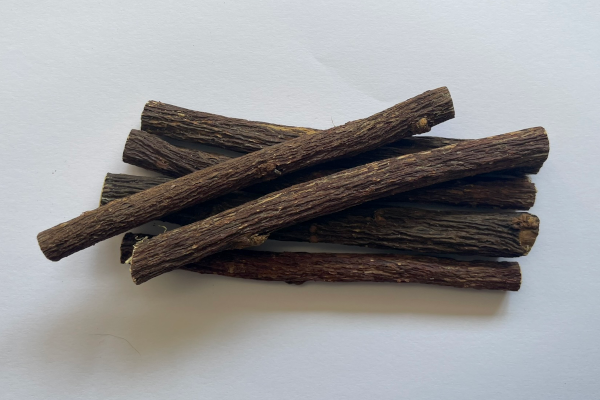
For millennia, licorice sticks have been used in various cultures around the world for their benefits and their sweet and unique flavor. The plant from which the sticks are extracted is scientifically known as Glycyrrhiza glabra, also nicknamed "sweet root." In this article, we will explore its origins, benefits, uses, and effects.
Origin of Licorice (Glycyrrhiza glabra)
Licorice (Glycyrrhiza glabra) is a perennial plant belonging to the Fabaceae family. It is mainly native to Asia, Southern Europe, and certain regions of the Middle East. The shrub can reach up to 1.5 meters in height, and its roots are particularly rich in active ingredients.
Its Use Through the Ages
Licorice sticks are famous for their sweet and slightly sugary taste, as well as their chewable texture that can last for a long time. Over the centuries, the licorice stick has been used in various cultures to treat various ailments.
The use of licorice dates back to Antiquity, where it was valued for its medicinal properties. In ancient Egypt, licorice was used in preparations for its healing virtues. It was also known to the Greeks and Romans, who appreciated its pleasant taste.
Also present in traditional Chinese medicine, it is considered a plant with multiple virtues and is used to relieve respiratory system inflammations, digestive disorders, and much more.
Its popularity then spread across Europe via trade routes, where it was used to relieve symptoms of premenstrual syndrome, inflammations of the digestive and respiratory systems, as well as to treat high blood pressure.
Health Benefits
Licorice offers a range of health benefits, thanks to its active compounds, particularly glycyrrhizin, a glycoside primarily known for its sweet flavor.
Relieving Stomach Disorders (Dyspepsia, Ulcers)
Licorice has long been used to alleviate digestive discomforts such as dyspepsia and gastric and duodenal ulcers. The glycyrrhizin present in licorice has anti-inflammatory and antibacterial properties that can help soothe irritated stomach lining.
Boosting the Immune System
Licorice contains compounds that stimulate the immune system, thereby helping your body defend itself against infections. Licorice is known to have protective effects on the liver.
Fighting Colds
Thanks to its antiviral and anti-inflammatory properties, licorice can help relieve symptoms of a common cold and respiratory infections.
Supporting Smoking Cessation
Licorice sticks can be an interesting alternative to help you quit smoking. They will help you combat the stress and addiction of tobacco while occupying your hand instead of your usual cigarette. Licorice is an adaptogenic plant, which means it can help your body adapt to stress.
Oral Health
Chewing licorice can help stimulate saliva production, which, in turn, helps eliminate bacteria naturally present in the mouth, thus helping to maintain good oral hygiene.
As a bonus, its unique sweet taste will freshen your breath for several hours.
Precautions and Limitations
While licorice offers many health benefits, excessive consumption can have undesirable side effects to keep in mind.
Licorice is a medicinal plant to be used with caution and on an occasional basis. In moderate use, i.e., less than 30g or a maximum of 3 sticks per day, licorice poses no danger.
Some of these adverse effects include increased blood pressure, kidney problems, and water retention. Excess glycyrrhizin during pregnancy could lead to premature birth.
How to Use Licorice Sticks?
Chewing the Sticks
Chewing a licorice stick is a traditional method to enjoy its sweet taste and its benefits for your oral health.
Ideal for replacing overly sugary confectionery and sweets that some children might crave.

Infusion and Decoction
To prepare an infusion, boil a few licorice sticks in water for a few minutes, then let steep for about 10 minutes. For a decoction, boil the sticks in water for a longer period (about 20 minutes) to extract more active ingredients.
Tincture
Licorice mother tincture is a concentrated extract of the plant. It is used in herbal medicine for specific purposes but should be taken with caution due to its high concentration.
Other Uses
In addition to the methods mentioned above, licorice is also used as an ingredient in certain cooking and pastry recipes.
Our Opinion
Our licorice sticks mainly come from Spain, are 100% from organic farming, and reveal delicious, distinctive sweet flavors.
They remind us of our childhood memories, timeless!
As with any food supplement or medicinal plant, balance and caution are key to fully enjoying it while avoiding potential risks. Do not exceed the consumption of 2 to 3 sticks per day.
Conclusion
Licorice sticks from the Glycyrrhiza glabra plant have a long history of use throughout history, appreciated for their sweet taste and multiple benefits, particularly for digestive disorders, premenstrual syndrome, oral health, and strengthening the immune system. Always favor products from organic farming to avoid unpleasant surprises.
It is important to consume it in moderation and to consult a doctor before taking licorice if you are pregnant, suffer from high blood pressure, or have other health problems.
Sources
- Nos grands-mères savaient - Jean Palaiseul
- Passeport Santé
- Althea Provence
- Licorice Stick Buying Guide
- Licorice Stick and Alternatives